From beneficiaries to providers: enhancing South-South cooperation in Tax Inspectors Without Borders
30 JULY, 2026
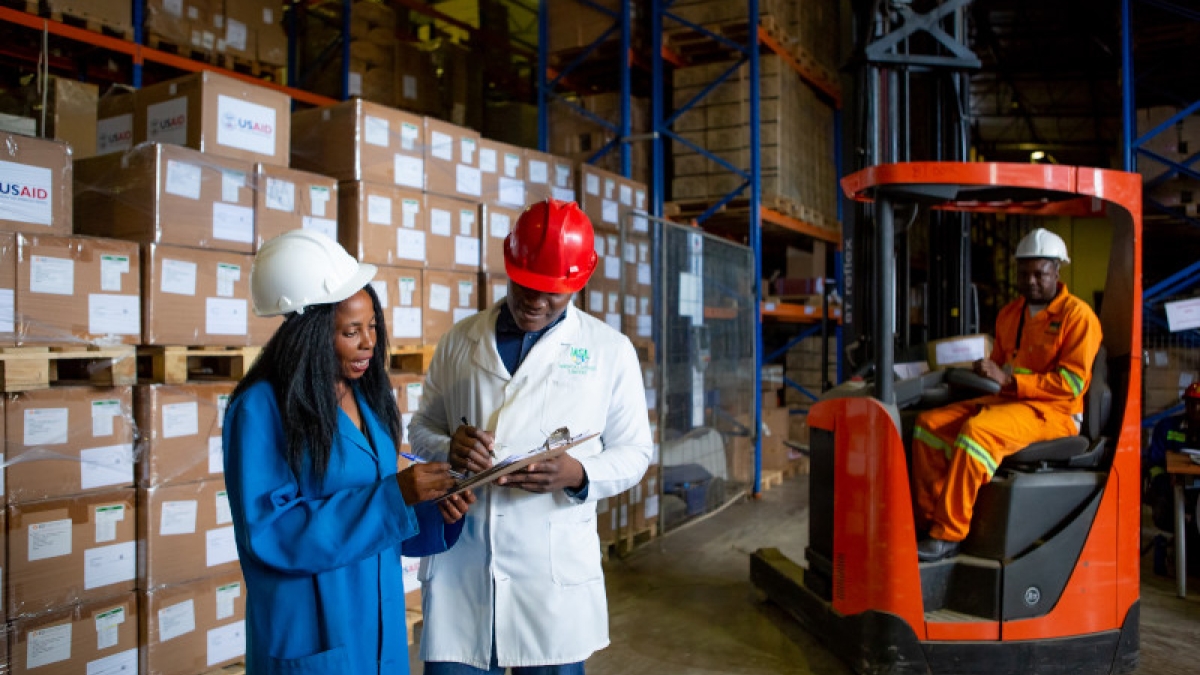
Photo: UNDP
Author


As Tax Inspectors Without Borders (TIWB) enters its second decade, it is increasingly enabling jurisdictions to move from beneficiaries of technical assistance to providers of expertise. This evolution is being driven by the growing role of South-South cooperation, which has become one of the initiative’s defining strengths. By connecting tax administrations facing similar challenges and institutional contexts, TIWB helps build, share and sustain expertise across and within regions. Whether in transfer pricing, sector-specific audits or tax crime investigations, this exchange of practical experience makes technical assistance more relevant, adaptable and sustainable.
As international tax challenges become more complex, strengthening tax administrations is essential to help countries mobilize domestic resources and finance sustainable development. Through its hands-on, demand-driven model, TIWB — a joint Organisation for Economic Co-operation and Development (OECD)–United Nations Development Programme (UNDP) initiative — pairs experienced tax experts with local officials to work on real cases, delivering tangible results while strengthening institutional capacity over the long term.
This evolution is reflected in the growing role of peer-to-peer cooperation within TIWB. To date, 41 such programmes have been launched, with jurisdictions such as India and South Africa playing a leading role by deploying experts across 13 programmes. These partnerships demonstrate how jurisdictions from the Global South can generate lasting impact across regions while strengthening a broader global network of tax professionals.
To leverage this type of cooperation, TIWB is encouraging administrations to transition from beneficiaries of support to providers of expertise to peers facing similar challenges, creating a growing network of practical, country-led cooperation. Through the TIWB Graduates Platform, jurisdictions that have successfully completed TIWB programmes are now deploying experienced officials to support other countries. Colombia, Egypt, Georgia, Maldives and Zambia are the first administrations to join the platform, demonstrating how knowledge gained through TIWB can continue to benefit others long after a programme concludes.
The Egyptian Tax Authority, after benefiting from successive TIWB programmes since 2017, is now supporting the Seychelles Revenue Commission in transfer pricing audits in the fishing and tourism sectors. Colombia is supporting Guatemala in transfer pricing, while Maldives is assisting Botswana in auditing multinational entities in the tourism industry. These partnerships illustrate how TIWB is creating a virtuous cycle in which countries that once received support are now helping develop capacity elsewhere.
The TIWB Graduates Platform is a cornerstone of TIWB 2.0, the next phase of the initiative launched in July 2025 at the Fourth International Conference on Financing for Development in Sevilla and recognized as part of the Sevilla Platform for Action. Building on TIWB's proven model, TIWB 2.0 places greater emphasis on partnerships, South-South and triangular cooperation, flexible delivery modalities and structured peer-to-peer engagement to respond to increasingly complex country demand.
Today, this model of country-led cooperation is no longer simply one aspect of TIWB's work. It is an integral and expanding feature of its delivery mode, expanding the global pool of expertise and strengthening regional ownership. Already representing nearly one-quarter of TIWB's active portfolio, it provides a sustainable pathway for sharing experience among countries facing similar challenges.
As demand for practical tax capacity development continues to grow, particularly in specialized technical areas, meeting that demand will require an increasingly diverse and globally connected network of experts. By enabling tax administrations to move from beneficiaries of assistance to providers of expertise, TIWB is helping strengthen countries’ ability to mobilize domestic resources while fostering a growing network of country-led expertise that extends the impact of technical assistance far beyond individual programmes.